
It’s 2025, we’re sure that almost everyone has heard of the name “Jefferey Epstein” at least once in their life at this point. Whether you know it from a news bulletin, a friend, or perhaps a social media meme. It’s been the talk of the town lately, with the latest files coming out showcasing famous celebrities such as Diana Ross, Micheal Jackson, Leonardo DiCaprio, Cameron Diaz and even Andrew Mountbatten-Windsor formerly Prince Andrew and Duke of York. Now of course, just because they were present in the pictures/files, it does not automatically mean that they were also involved in something shady along with the Main Man Epstein.
For those of you who do not know what we’re talking about, let’s get you up to speed.
Background:

Child sex offender Jeffrey Epstein was indicted in 2006 and accepted a plea deal in 2008. He was indicted again in 2019and, eventually, died in prison under mysterious circumstances that stirred a lot of controversy.
Epstein cultivated a social circle of public figures that included politicians and celebrities. This fuelled conspiracy theories that Epstein kept a list of clients to whom he had trafficked young girls, that he used it to blackmail them, and that he was killed by them; these theories were disseminated widely after his 2019 death, including by then-president Donald Trump, and also this year.
The term “Epstein files” refers to documents collected as evidence in the criminal cases against Epstein and his associates, stored as over 300 gigabytes of data, plus other media, in the FBI’s Sentinel case management system. They include his contacts book, flight logs of his planes, and court documents; some have been publicly released in redacted form. For example, court documents and flight logs have contained various prominent individuals as having travelled with Epstein, or been in contact with him.

“Epstein’s black book” or “Epstein’s little black book” refers to a 97-page book of names, phone numbers, emails, and home addresses a former employee took from Epstein’s home in 2005 and later tried to sell. Gawker published a redacted version in 2015, and an unredacted version was released on 8chan in 2019. A second book of contacts, sometimes referred to as “Epstein’s other little black book”, was published by Business Insider in 2021, and is dated October 1997.[30] According to investigative reporter Julie K. Brown, Epstein’s then-girlfriend Ghislaine Maxwell compiled the directory, which included celebrities as well as Epstein’s gardeners, hairdresser, barbers, and electrician. Brown said that “the so-called list is really a red herring” and that “every time Epstein or Maxwell met somebody important, they would get their contact information, and they would put it in this file … So it was pretty clear that this was not a black book in the sense that these were all his clients. It was just a phone directory.”
What the Epstein Files Mean for the People of Law

Following the December 19 deadline set by the Epstein Files Transparency Act, the Department of Justice has begun a rolling release of over 300GB of investigative data. While the media focuses on high-profile associations, the legal community is grappling with the broader implications for the American judicial system.
The publication of the Epstein files, which at its core are a collection of unsealed court records, emails, eyewitness testimony and evidence records relating to Jeffrey Epstein, has sparked renewed debate in the world on issues of justice, responsibility and the sanctity of the judicial system. Although the names listed in these files are subject to the gaze of the public, what really matters is what the names reveal for the people of law such as judges, prosecutors, lawmakers, attorneys and the law enforcement institutions.
The Epstein files are essential attempts to put the rule of law to the test.
Equality Before the Law and Selective Justice
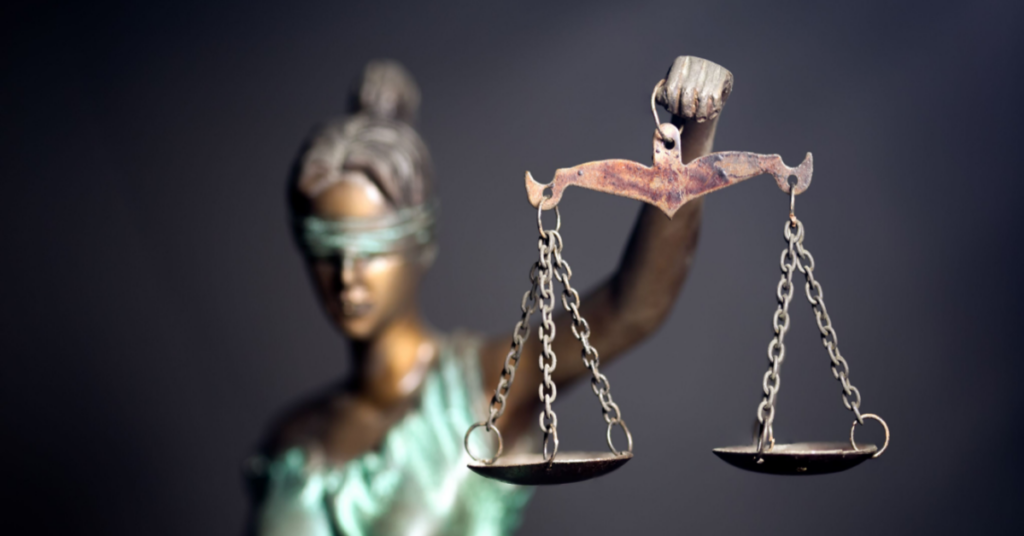
Among the most mentioned legal gaps mentioned in the Epstein files is the non-prosecution contract that Epstein signed in 2008 that enabled him to escape federal prosecution despite a large amount of evidence and more than a handful of victims.
This presents a central question to the people of law:
Does the law treat all people equally, irrespective of wealth, status, and influence?
The manifestation of partial justice betrays:
- Public confidence in courts
- Prosecutorial credibility
- The validity of plea-bargaining.
Legal pundits often use the case of Epstein to illustrate how the unfair use of the law hurts the entire justice system.
Due Process, Transparency, and the Limits of Public Disclosure
The other key legal concern that the Epstein files brought about is the conflict between transparency and due process. When courts released documents under the name of accountability to people, the names of many people began to appear as no criminal charges or official allegations were laid against them.

This is a matter of serious concern in legal terms. As much as transparency is necessary to the trust that the people have in the justice system, it should be weighed against the principles of presumption of innocence and avoidance of reputational damage. The law has nothing in common that a mention in court records would constitute guilt, but that is not always the case in the minds of the people. And can you blame them? While a person may not be involved in something shady with another shady person, but the presence of said shady person in the pictures with them would definitely stir up a lot of mixed opinions and thoughts in the minds of the people who; even if they wanted to, could not turn a blind eye to the possibility of there being a connection.
To judges and attorneys, the Epstein files have become a viable case study in finding out:
- Reasons why the transcripts of the court need to be undisclosed.
- What can be done to maintain privacy without interfering with justice.
- In cases where the community holds more importance than personal injuries.
Such controversies are now shaping the way sensitive civil litigation cases are being dealt with in courts, especially those of sexual abuse, risks of defamation, and high-profile defendants.
Victims’ Rights, Institutional Failure, and the Rule of Law
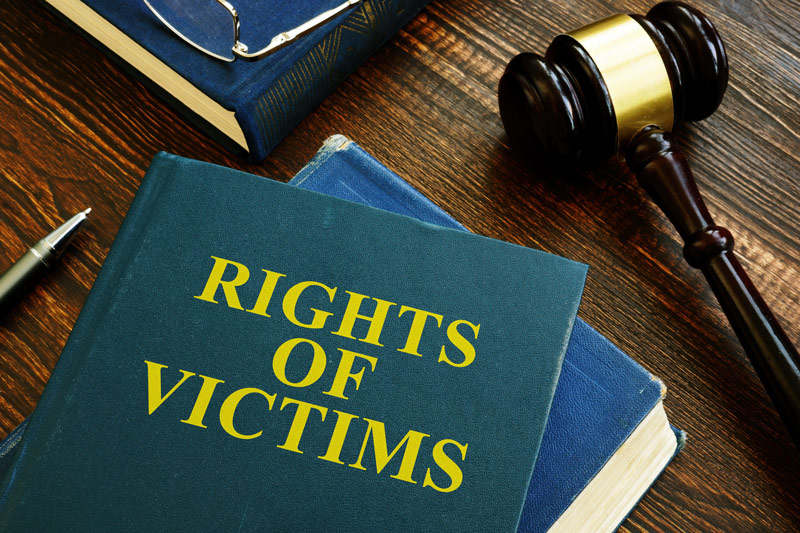
The most long-term legal implication of the Epstein files is, perhaps, regarding the right of the victims and the responsibility of the institution. It was subsequently ruled by courts that the victims of Epstein were not part of the most important decisions made by the prosecutors, which contravened the federal laws that protect victims. Such a failure was not just procedural in nature, but rather another failure of the legal system to safeguard the vulnerable. You can bet that a lot of people were outraged when this was made public knowledge because everyone had the same question in their mind “Are the courts and police not here to ensure our safety, our well-being, and protect our best interests as civilians? Are they not here to help people get justice?” Or is it all just a big facade put on to make us think that we matter, whereas in reality, the same thing will happen every time; The rich and powerful are protected.
This fact of the Epstein case has changed the discourse on victim involvement in the criminal process in the eyes of people of law. It has increased the pace of reforms with a focus on:
- Mandatory notification to the victims.
- More openness in plea bargaining.
- The agreements restricting prosecutions in the future are subject to judicial review.
In addition to personal wrongdoing, institutional loopholes are also revealed in the Epstein files–in prosecutor offices, prison systems, and control systems. The death of Epstein in federal custody was also another blow to the public trust, reinforcing the notion that institutions are also supposed to be accountable under the rule of law.
Conclusion
The Epstein files remain a potent reminder that the power of any law system lies in its readiness to make everyone, and every institution, answer to it- no matter who we are or how influential we are. They are not only a question of general concern, For the people of law, they offer an occasion, these documents reveal the outcome of free discretion, obscured decision-making, and institutional breakdown, and they also promote the fundamental principles of due process, rights of victims and equality before the law. The value of the Epstein case, as courts, legislators, and legal practitioners still consider the lessons of the case, is that the case has the potential to spur meaningful reform. Provided such lessons are implemented, the Epstein files can eventually become an instrument of law failure rather than a tool of rebuilding public confidence in the rule of law.

As a legal professional, student, or researcher, it is critical to know what the Epstein files entailed so that you can know the future of prosecutorial ethics, the rights of victims, and the rule of law. Keep abreast, take part in reform oriented legal discussions and look at how responsibility can be enhanced in the justice system.
For more in-depth legal analysis, case studies, and law-focused insights, explore our latest articles or subscribe to our legal updates.
